Interactive graph
The Trusted Inbox
Table of Contents
One capture pipe emptied every week - without trust, ideas hoard in the head instead.
Key Concept
- If the inbox never gets emptied, capture moves back into your head.
- An inbox you do not empty becomes a junk drawer you stop using.
- Trust is built by emptying on schedule, not by hoping you will get to it someday.
Level 1 - Recognize
A trusted inbox is one capture pipe you empty on schedule - if you never clear it, your brain starts holding ideas again.
Level 2 - Explain
An inbox you do not empty becomes a junk drawer - capture moves back into your head when the list lies.
Level 3 - Use
Empty the inbox on the same day each week - trust is built by schedule, not by someday.
Level 4 - Connect
Trust rebuilds on time because emptying on schedule proves the system will hold what you offload - hope is not a processing strategy.
Level 5 - Create
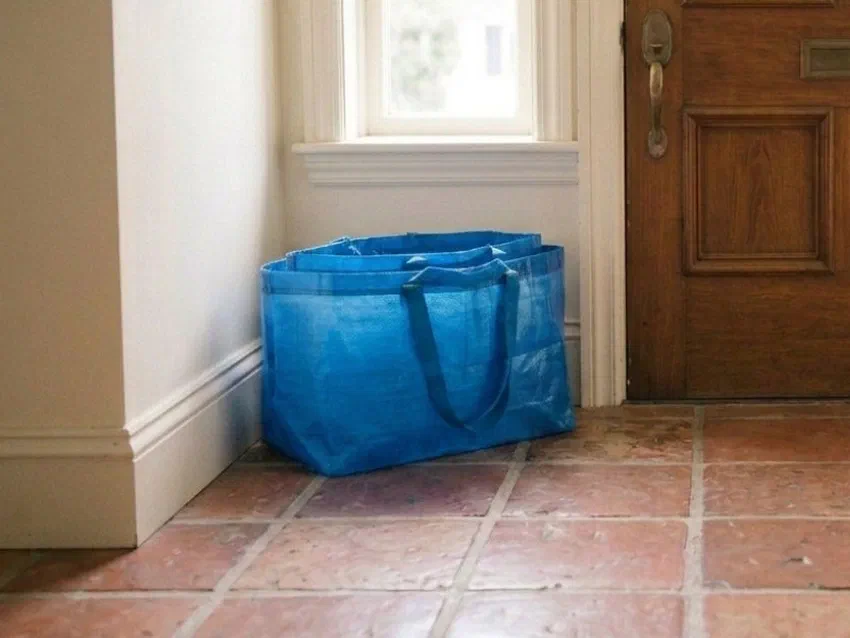
Same lane as Inbox Zero - one bowl by the door beats two bowls that make you hold things in your head instead.
Examples
- Glad one bowl by the door for keys, papers, receipts held - two bowls meant I would hold things in my head instead.
- One notebook on the bench for every substitute tweak - if we do not review it after the match, nobody trusts writing in it next week.
Note Relationships
| Relationship | Wikilink | Reason |
|---|---|---|
| contradicts | Mobile Capture Workflows | when one trusted pipe beats frictionless capture everywhere |
| extends | Building a Second Brain | Trusted capture sits inside the wider second-brain system |
| extends | Capture | If you do not trust your inbox, you capture in your head instead of using capture |
| extends | Inbox Zero | Empty-the-inbox discipline this pipe depends on |